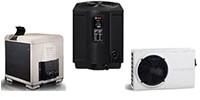
If your pool feels perfect in July but “too cold” in May or September, you’re not alone. An above ground pool heater can turn your pool from “sometimes” to “whenever,” but only if you match the heater type to how you actually swim.
Here’s the simplest way to think about it. A heater adds heat, but your pool also loses heat 24/7 (mostly from the surface). The best setup is the right heater + a smart routine that keeps the heat you’re paying for.
The #1 Upgrade Before Any Heater: An Above Ground Pool Solar Blanket Cover
If you heat an uncovered pool, you’re basically heating the air above it. A cover (solar blanket, safety cover, or even an automatic cover on some pools) reduces evaporation and keeps heat from escaping overnight—when most heat loss happens.
If you do nothing else, get consistent about covering the pool when it’s not in use. It’s the easiest way to reduce heater runtime and keep water comfortable day-to-day.
Choosing a Heater Type (Quick and Practical)
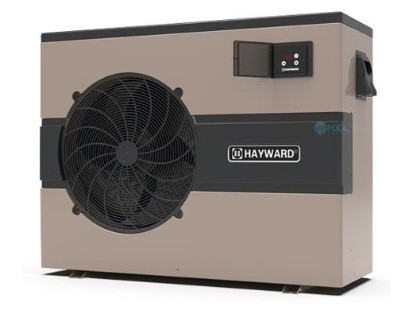 Heat Pumps (efficient, steady heating)
Best for: families who want a longer season and consistent water temperature.
What to expect: heat pumps warm gradually and maintain temps efficiently, especially when air temperatures are mild. They’re great for “set it and hold it” swimming.
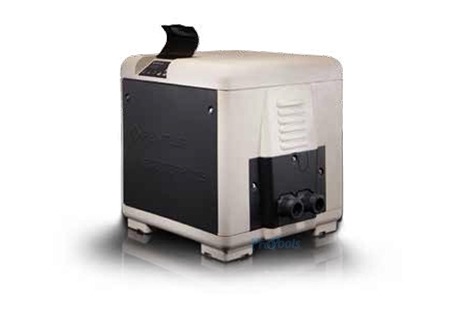
Gas Heaters (fast heat, any weather)
Best for: quick warm-ups, weekends, and colder nights—especially if you don’t swim daily.
What to expect: gas heats water fast and doesn’t care as much about cool air temps. You’ll feel the difference sooner, which is why people love gas for “heat it now” situations.
Heat & Cool Heat Pumps (heat + chill)
Best for: hot climates where the pool can get too warm mid-summer, or shoulder-season swimming where you want more control.
What to expect: you can heat when it’s cool and cool when it’s too warm—more comfort, more days you’ll actually use the pool.
Solar Heating (lowest operating cost, weather-dependent)
Best for: sunny areas and owners who want “help” warming the pool without fuel costs.
What to expect: solar is great when conditions are right, but it’s not instant, and performance depends on sunlight, air temps, and your setup.
A Simple Decision Cheat Sheet
- Choose a heat pump if: you want efficient day-to-day heating, you’re okay with slower warm-up, and you’ll use a cover regularly.
- Choose a gas heater if: you want the fastest warm-up, you swim on demand (weekends, evenings, spontaneous dips), and you need performance even when nights are cool.
- Choose heat & cool if: your pool gets too warm in peak summer and you want the widest comfort range across the season.
How to Size an Above Ground Pool Heater (Without Getting Lost)
Sizing isn’t just “pool gallons", it's about surface area square feet because that's where the bulk of heat loss is. It’s also your desired water temperature, how cool your nights get, wind exposure (wind can steal heat fast), and whether you use a cover (this changes everything).
A common mistake is under sizing. An undersized heater runs longer, struggles in cooler weather, and feels disappointing. If you’re between sizes, it’s usually smarter to size up—especially if you want to swim earlier and later in the season.
Installation Basics You Should Know
- Water flow matters. Your heater must be compatible with your pump/filter flow and installed in the correct order on the pad.
- Plumbing size matters. Many above ground setups use 1-1/2" plumbing—make sure the heater matches your equipment and layout.
- Power/fuel requirements are real. Heat pumps typically need a properly sized electrical circuit. Gas heaters need safe fuel supply, clearances, and professional-grade installation practices.
- Follow local codes and manufacturer instructions. If you’re not 100% comfortable with electrical or gas work, hire a qualified installer.
Operating Tips That Keep Costs Under Control
- Cover the pool at night (and anytime you’re not swimming).
- Use a realistic temperature set point. Holding 86°F all week costs more than holding 82–84°F.
- For heat pumps: steady schedules win. Let it maintain rather than constantly “catch up.”
- For gas: heat it when you need it. Gas shines for fast warm-ups—use that advantage.
- Don’t ignore water chemistry. Balanced water helps protect heaters and heat exchangers over the long run.
Examples of Above Ground Pool Heaters You’ll See on ProPools
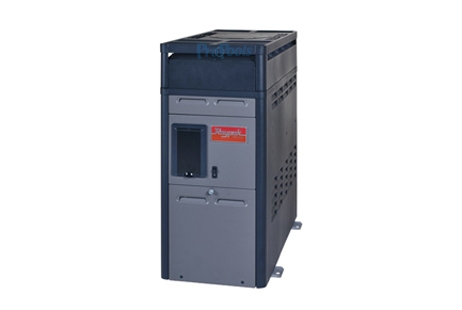
Depending on your goals and setup, you’ll typically see options like above ground heat pumps in the 50K–100K BTU range for efficient maintaining, natural gas or propane heaters around 105K–150K BTU for faster heat-up, heat & cool models for full-season comfort control, and high-altitude versions of gas heaters (important if you live at elevation).
To browse current above ground pool heater options: https://www.propools.com/subcategory/above-ground-pool-heaters/411
If you want help choosing, the fastest path is: send your pool size (surface area & gallons), your location, and how warm you want the water—and we’ll narrow it down to the best-fit heater category.
- U.S. Department of Energy notes that pool covers minimize evaporation and can be the single most effective way to reduce pool heating costs, and also explains that heat pump pool heaters operate efficiently when outdoor temps are roughly above 45–50°F. (The Department of Energy's Energy.gov)