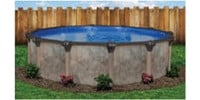
Above ground pools remain one of the most popular ways for families to add summer fun without the cost and permanence of a fully inground pool. In 2026, homeowners are prioritizing durability, comfort, and backyard compatibility more than ever.
Before comparing brands or prices, it’s important to determine your available space, desired wall height, and whether you plan to add a deck. Most families gravitate toward 54-inch wall height pools, which provide a comfortable water depth while remaining practical for backyard installations.
Material choice is another key factor. Resin and hybrid resin pools continue to grow in popularity because they resist corrosion and perform well in humid or freeze-thaw climates. Wider top rails—commonly 6 to 8 inches—also contribute to a sturdier feel and a more premium appearance.
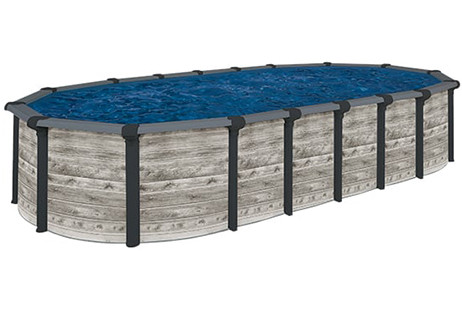
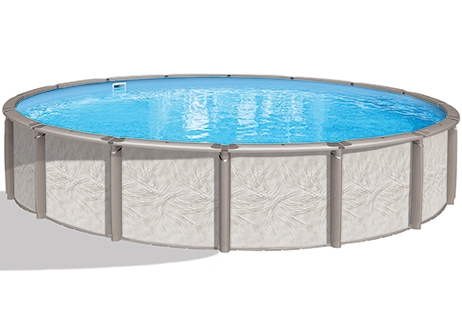
Round pools remain the most common option due to even weight distribution and simpler installation, while oval pools are often chosen for narrower yards or light lap swimming.
For homeowners looking to balance cost, longevity, and aesthetics, the best strategy is to invest in a strong pool structure first and upgrade visual elements—such as liners and ladders—over time.
What to decide first (before you compare models)
- Available space (flat footprint plus room for walkways and equipment)
- Preferred wall height (most popular: 54")
- Deck plans (partial deck, full wrap, or no deck)
- Climate and corrosion factors (humidity, freeze-thaw cycles, soil chemistry)
- Budget (pool structure now, liner + accessories as upgrades)
Materials: steel vs. resin vs. resin hybrid (what matters most)
Materials affect your pool’s longevity, appearance, and how it holds up to weather. Most shoppers today prioritize resin or hybrid resin for corrosion resistance and reduced maintenance concerns.Steel (classic option)
- Often lower upfront cost
- Can perform well with proper care
- More sensitive to corrosion factors over time
- Often lower upfront cost
- Often paired with wider top rails for stability
- Great for families who want a “set it and enjoy it” experience
Size and shape: round vs. oval
Wall height & top rails: the “feel” factor you notice every day
For top rails, shoppers frequently ask for 8" rails because they add rigidity and provide a more comfortable edge when leaning or sitting.
Deck and ladder considerations
If you plan a partial or full deck, confirm your pool’s compatibility with your ladder style and attachment approach. Many homeowners choose a deck-mounted ladder for a cleaner, more “built-in” look.f you are upgrading an existing pool, also confirm your liner type and coping compatibility (overlap vs. bead/uni-bead). You can browse compatible options here: Above Ground Pool Liners.
Budget and long-term value (how to spend smarter)
The best value is often a pool with a durable structure—then you upgrade the “finish items” like the liner pattern and ladder as budget allows. If you’re deciding where to invest:- Structure first: prioritize corrosion-resistant materials and strong rails
- Then comfort: ladder/deck approach that matches how you’ll use the pool
- Then aesthetics: tile-border or patterned liner for an elevated look
Ready to compare models by size and finish? Start here: Shop ALL Above Ground Pools