2026 Above Ground Pool Buyer's Check List: How to Choose the Right Pool the First Time
Author: Brian Lane
Posted In: Above Ground Pools, How To
Buying an above-ground pool kit is one of those decisions that feels simple
until you start comparing wall heights, frame materials, liners, pumps,
filtration, and “packages” that look similar but perform very differently once
installed.
This checklist is designed to help you make a confident, durable choice—one
that fits your yard, your budget, and your expectations for water clarity,
longevity, and ease of ownership.
1) Start with the two decisions that drive everything: shape and size
- Best for: smaller footprints, balanced water circulation, easier placement in many yards.
- Typical use: family lounging, casual play, lower total water volume than an equivalent oval footprint.
- Best for: swimming laps, long-yard layouts, maximizing surface area where width is limited.
- Typical use: more “pool-like” swim experience, but requires more structural support and (often) more careful site prep.
Sizing tip that prevents regret:
Measure the available space, then subtract room for:
Measure the available space, then subtract room for:
- A safe walking perimeter (practical access around the pool)
- Equipment pad area (pump/filter)
- Any deck or entry plan
- Setbacks required by local code/HOA
If you’re unsure, choose the largest size that still leaves you comfortable access and future flexibility. Overcrowding a yard can make ownership frustrating.
2) Don’t treat wall height as a cosmetic detail
- How deep the water feels for adults
- Splash-out and turbulence during play
- Your enjoyment if you plan to float, tread, or relax with shoulders submerged
If the budget allows, 54" walls are often the “long-term satisfaction” choice, particularly for families with teens or adults who want a more substantial swim depth.
3) Choose a frame material based on corrosion risk and expected lifespan
Your pool’s frame and uprights are the “bones” of the system. Material choices tend to fall into a few buckets:
Steel (painted/treated)
- Often the most common and cost-effective
- Can be very reliable, but long-term corrosion resistance depends on coating quality and environmental exposure
- Resin doesn’t rust, and it can be a major advantage in humid climates, salty air regions, or yards with heavy irrigation overspray
- Many buyers prefer resin top rails and uprights for reduced corrosion concerns
Resin-Hybrid designs (steel + resin)
- Often combine structural strength with corrosion resistance where it matters most
- A popular “upgrade path” when you want durability without going into premium territory
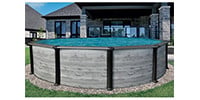
If you’re considering a hybrid resin pool style, a real example is a resin hybrid kit like the Coronado 24' round package (example product page): https://www.propools.com/product/coronado-24-round-resin-hybrid-above-ground-pool-kitwhite-in-wall-pool-stepstandard-package54-wall65267/65267
(Use it as a reference point for what “hybrid” packages typically include—especially wall height and step/entry options.)
(Use it as a reference point for what “hybrid” packages typically include—especially wall height and step/entry options.)
4) Understand what “package” really means (and what’s missing)
Two kits can look identical until you open the details. Confirm whether your kit includes:
Core structure
- Wall, uprights, rails, stabilizers
- Skimmer and return fittings
Liner
- Liner type (overlap, beaded, J-hook)
- Liner thickness/gauge and pattern
- Whether a liner is included at all (some kits assume you’ll add it)
- Pump horsepower rating and whether it’s sized for your pool volume
- Filter type (cartridge vs sand) and filter capacity
- Hoses, clamps, and valves (often overlooked)
Entry system
- Ladder vs in-wall step vs deck integration
- Whether the step is included as shown in the “standard package” marketing photo
Common “not included” items you should budget for:
- Base materials (sand/cove, foam, or pad solutions)
- Electrical work (bonding/grounding, dedicated outlet, GFCI, disconnect requirements)
- Water care start-up chemicals and test kit
- Winter cover and closing supplies (if seasonal climate)
5) Filtration: size this correctly and you’ll save money and time
If you want the pool to stay clear with less effort, don’t under buy filtration. As a general buyer mindset:
- Oversized filtration is rarely regretted.
- Undersized filtration often means more chemicals, more cleaning, and more frustration.
When comparing systems, focus less on marketing horsepower and more on:
- Filter tank size/capacity (sand filters especially)
- Flow rate matched to plumbing and pool volume
- Maintenance style you’ll actually keep up with
Rule of practicality: pick a system that can handle your pool volume comfortably without running all day, every day.
6) Liner choice: match the liner attachment to your “future replacement” reality
Your liner will eventually be replaced. Choosing a liner type that’s easier to replace can reduce future cost and installation hassle.
- Beaded liners: generally the most convenient for replacement and alignment
- Overlap liners: can be economical and workable, but replacement and aesthetics can be less tidy
- J-hook: sits between the two in ease of use
Also confirm whether your pool’s top rail/track system supports your preferred liner style.
7) Site prep is not optional—build quality starts under the pool
The #1 cause of early ownership problems is improper base preparation. Even a high-quality kit can fail prematurely if the pool isn’t installed on a properly leveled, stable base.
At minimum, plan for:
At minimum, plan for:
- A level base (true level, not “looks level”)
- Compaction appropriate to your soil
- A thoughtful water management plan (keep downspouts and grading from pushing runoff under the pool)
If you’re hiring an installer, ask specifically what they do for leveling and base prep—and get it in writing.
8) Safety and compliance: handle this early
Before you buy, verify:
- Setback rules (property lines, septic, easements)
- Required fencing and gate specs
- Electrical/bonding requirements for above-ground pool equipment
- HOA guidelines (if applicable)
Solving compliance after delivery can cause delays and unexpected costs.
9) The “right” pool is the one you’ll use—and maintain
A pool that’s slightly smaller but easier to maintain, access, and enjoy often beats a larger pool that becomes a chore.
When you’re choosing between two options, use this tie-breaker:
- If you want simple ownership, prioritize better filtration and corrosion resistance.
- If you want the best swim experience, prioritize size and wall height.
- If you want lowest upfront cost, be honest about what you’re excluding—and what it will cost later.
A practical way to finalize your decision in 15 minutes
- Pick your shape (round vs oval) based on yard layout and swim goals
- Choose a wall height (48", 52" or 54") you’ll still enjoy five years from now
- Select a material strategy (steel vs resin vs resin-hybrid) based on corrosion risk
- Confirm what’s included (liner, step/ladder, pump/filter specs)
- From any pool package page, click on the tab titled "Items Included in the Package" to see a full list of all items included in the package.)
- Budget for site prep + electrical + water care so you don’t get surprised
If you do those five steps, you’ll avoid the most common regrets and end up with a pool you actually enjoy owning.