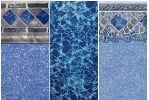
An above ground pool liner is one of the most important components of the pool system. It affects not only how the pool looks, but also how easy it is to install and how well it performs over time. Choosing the correct liner helps prevent wrinkles, premature wear, and unnecessary replacement costs.
Most residential pools perform very well with standard thickness liners, typically marketed as 13–15 mil or 20 gauge. These liners provide a strong balance between durability and flexibility, making them easier to install correctly. Thicker liners are not always necessary and can be more difficult to work with during installation. The Truth About Above Ground Pool Liners.
There are two primary liner styles to consider: overlap liners and Uni-Bead liners. Overlap liners extend over the pool wall and are secured with coping strips, making them more forgiving if pool dimensions vary slightly. Uni-Bead liners hang directly into a bead receiver and provide a cleaner finished appearance at the top edge.
Pattern choice also plays a role in the overall look of the pool. Printed tile-border liners are one of the easiest ways to make an above ground pool feel more custom. Solid blue liners remain a dependable and cost-effective option when patterned liners are unavailable in a specific size.
Proper sizing is essential. Always match the liner to the pool’s shape, wall height, and liner type to ensure a smooth installation. Verifying measurements before purchasing helps avoid common installation problems.
Shop Above Ground Pool Liners at ProPools.com
View Compatible Above Ground Pools
Frequently Asked Questions
What liner thickness is best for most pools?
Standard thickness liners are ideal for most residential above ground pools. They are flexible enough to install properly while still providing reliable durability. For most homeowners, thicker liners do not provide enough added benefit to justify the extra cost.
Which liner type is easier to install?
Overlap liners are generally easier for most homeowners and installers. They allow for small variations in pool dimensions and are forgiving during setup. Uni-Bead liners offer a cleaner appearance but require more precise sizing.
Do patterned liners require special maintenance?
No, patterned liners require the same maintenance as solid-color liners. Water chemistry, proper installation, and routine care matter far more than the liner’s design. As long as the liner is installed correctly, maintenance is straightforward.