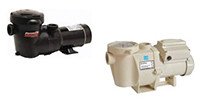
Pool Pumps
The heart of your circulation system
Your pool pump is the “engine” that keeps water moving through your filter, heater, sanitizer, and back to the pool. The right pump (properly sized and properly installed) means clearer water, quieter operation, and lower operating costs.
Above Ground Pool Pumps
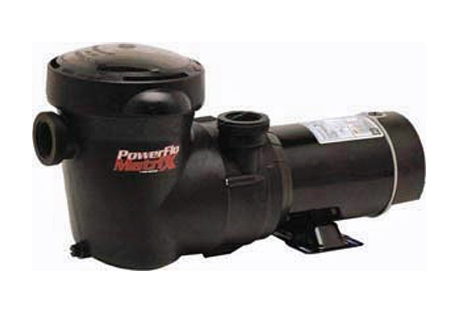
Above ground pool pumps should circulate all of the pool water at least 3 to 4 times per day, as efficiently as possible. High-efficiency above ground pumps can lower operating costs—translating into greater pool enjoyment.
A key to above ground pump performance is minimizing friction and turbulence for better efficiency and less noise.
Inground Pool Pumps
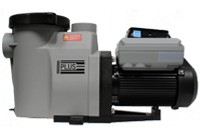
Swimming pool pumps will work for all types of inground pools are the heart of the pool’s operating system. With a properly sized pump, your pool can run calm and efficient while still moving enough water to pull debris into the skimmer and keep the water properly filtered.
How to choose the right pump (quick buyer’s guide)
1) Match the pump to your pool type
- Above-ground pumps are typically designed for shorter plumbing runs and lower head pressure.
- Inground pumps are often self-priming and built for longer plumbing runs, more features, and higher head.
2) Size it for your pool and your system
- Aim for a realistic daily pool water turnover goal. On in ground pools many homeowners use “about two turnovers per day” as a baseline.
- Don’t size by horsepower alone—plumbing, filter type, heater, salt system, and elevation changes all affect real-world flow.
3) Pick the speed that fits your priorities
- Variable speed: best for efficiency, quiet operation, and fine-tuned flow.
- 2-speed: a practical middle ground (low speed for everyday 'easy' filtering, high speed for vacuuming/backwashing/water features).
- Single speed: simple, but usually less efficient and a bit more louder.
4) Confirm the basics before you buy
- Voltage (115V vs 230V)
- Plumbing connections (hose vs hard plumb; common sizes like 1.5" and 2")
- Filter compatibility (don’t overwhelm the filter’s max flow rating)
- Serviceability (lid o-ring, basket access, seals, motor replacement options)
Shop by pump type
- All Variable Speed & 2-Speed Swimming Pool Pumps
- Above Ground Pool Pumps
- Inground Pool Pumps
- Booster Pumps for Pressure Side Cleaners
- ESPA SilenPlus Variable Speed Pumps
- CaliMar Swimming Pool Pumps
- Waterway Swimming Pool Pumps
- Hayward In Ground Pool Pumps
- Madimack Pumps
- Pentair Pool Pumps
Booster pumps: what they are (and what they aren’t)
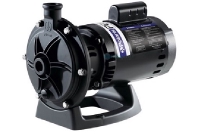
Booster pumps are typically used to power pressure-side cleaners that require dedicated pressure. They are not a replacement for your main circulation pump—they’re an add-on for specific cleaner systems.
Setup and maintenance checklist (owner-friendly)
- Keep the pump basket clean and the lid o-ring lubricated (silicone lubricant) and seated properly.
- Make sure valves are open and the pump pot is primed before startup (if required by your system).
- Watch your filter pressure: rising pressure often means the filter needs cleaning.
- If you notice air in the pump pot, check for suction-side leaks (lid o-ring, unions, valves).
- Protect equipment from freezing; winterize per your climate and equipment instructions.
Need help choosing?
Live Help: Mon–Fri (7am–5pm CST), Sat (8am–4pm CST)
Call: (888) 352-7582 -or- Email: [email protected]